 Renuka@123
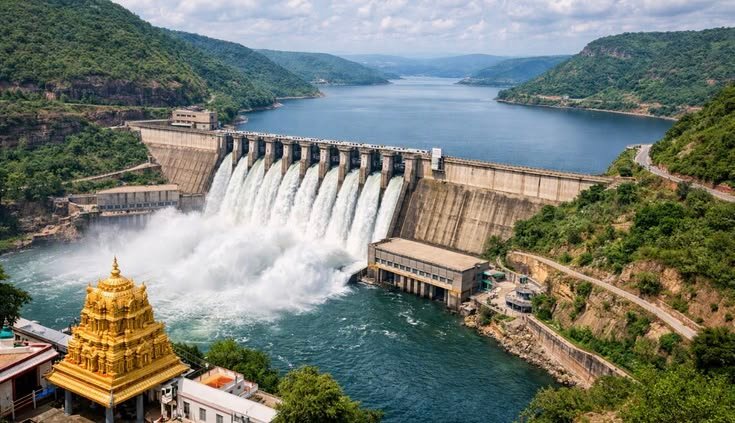
The Srisailam Reservoir has achieved a remarkable milestone by earning recognition in the prestigious World Book of Records. This achievement has brought pride to Andhra Pradesh and Telangana, highlighting the engineering excellence and importance of one of India’s major water projects.
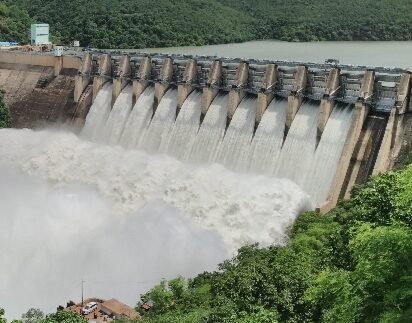
Built across the Krishna River, the Srisailam Project is well known for its massive dam structure, large crest gates, hydroelectric power generation and contribution to irrigation. Its latest recognition places the spotlight on the engineering achievements behind this important reservoir.
World Book of Records Recognition for Srisailam Reservoir
According to news reports published in October 2026, the Srisailam Reservoir has been recognised by the London-based World Book of Records. It has been reported as the first Indian project to receive this particular recognition.
The recognition highlights the reservoir’s distinctive engineering design, flood-handling capabilities and contribution to hydroelectric power generation. It is also an opportunity to appreciate the engineers and officials whose efforts have helped maintain this important project over the years.
What Makes Srisailam Dam Special?
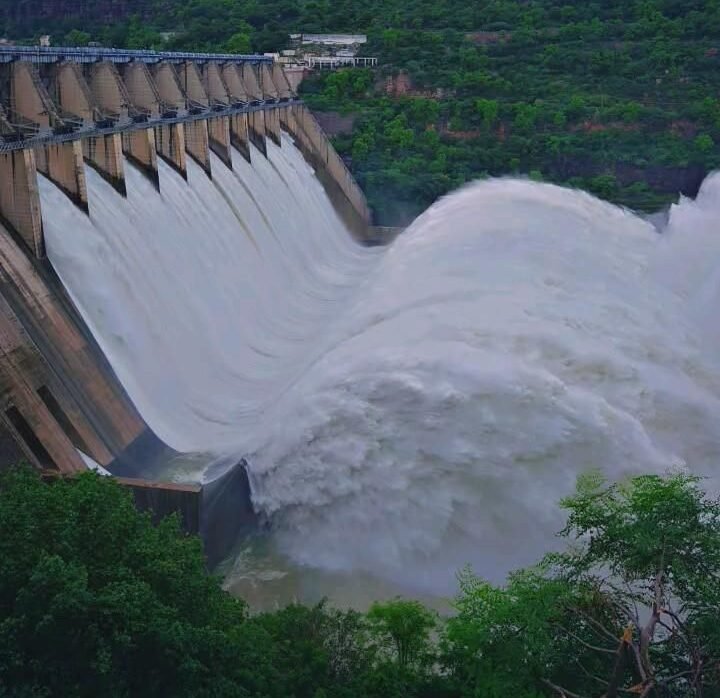
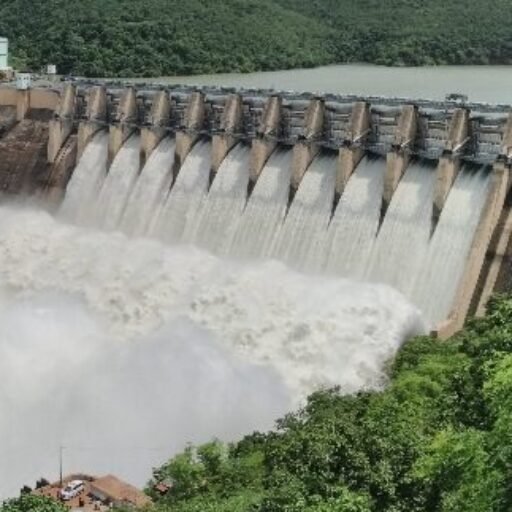
One of the notable features of the Srisailam Dam is its massive crest gates, which are reported to measure approximately 60 feet in width and 55 feet in height. These gates play an important role in regulating water flow, particularly during periods of heavy rainfall and high inflows.
The dam is built across the Krishna River in the scenic Nallamala region. Its location, engineering design and role in managing water resources make it an important landmark in India’s irrigation and power infrastructure.

Srisailam Reservoir and the 2009 Floods
The strength of the Srisailam Reservoir was highlighted during the severe floods of October 2009. Reports state that the project experienced an extraordinary flood inflow of approximately 25.4 lakh cusecs.
The event demonstrated the importance of dam engineering, flood management and continuous monitoring of water infrastructure. The reservoir’s ability to withstand challenging flood conditions is among the notable features highlighted in reports about its World Book of Records recognition.
Importance of Srisailam Project for Andhra Pradesh and Telangana

The Srisailam Reservoir is more than a major dam. It plays an important role in water management and hydroelectric power generation for the two Telugu states.
Its key contributions include:
- Irrigation: Supporting agricultural water requirements in the region.
- Hydroelectric power: Generating electricity using water resources.
- Water management: Helping regulate and store water from the Krishna River.
- Regional importance: Supporting essential water and energy needs across Andhra Pradesh and Telangana.
The project demonstrates how major water infrastructure can contribute to agriculture, electricity generation and regional development.
Srisailam Dam: A Landmark in Engineering and Tourism
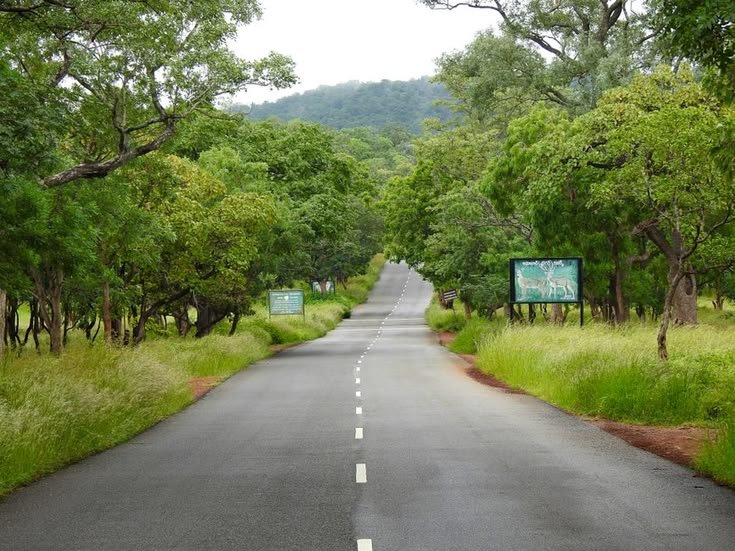
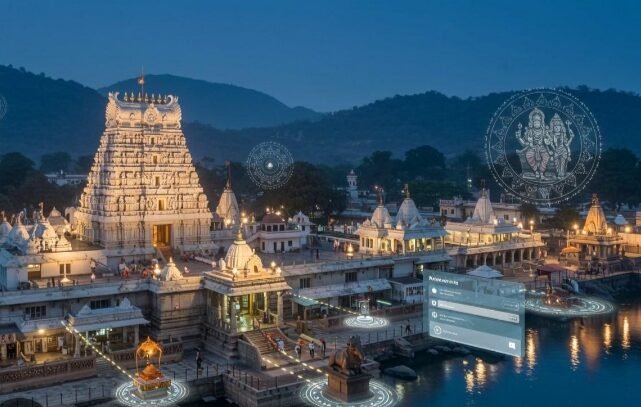
Apart from its engineering importance, Srisailam is also a popular destination for visitors interested in nature, spirituality and scenic landscapes. The nearby Srisailam Mallikarjuna Swamy Temple, the Nallamala forests and the beautiful surroundings of the
attract pilgrims and tourists throughout the year.
The reservoir’s international recognition adds another interesting chapter to the history of Srisailam. For students, travellers and people interested in Indian engineering, the project offers an opportunity to learn about the importance of dams and water-resource management.
Conclusion
The recognition of the Srisailam Reservoir in the World Book of Records is a proud milestone for Andhra Pradesh and Telangana. Its distinctive crest gates, engineering design, flood-management experience and contribution to hydroelectric power generation make it an important water infrastructure project in India.
This achievement also reminds us of the dedication of the engineers, technical teams and officials who have contributed to the project’s development and operation. The Srisailam Project continues to hold a special place in the history of water management and engineering in the country.