 Renuka@123
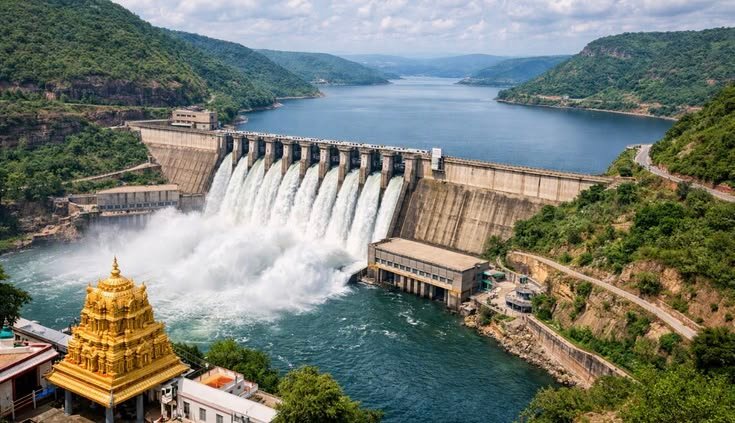
Srisailam Dam Gates play an important role in controlling water flow across the Krishna River in Andhra Pradesh. The Srisailam Dam is known for its impressive structure, hydropower generation, and large reservoir. Located amid the scenic Nallamala Hills, the project supports irrigation and electricity generation while attracting visitors interested in its engineering and natural beauty.
Srisailam Dam Gates and Water Management
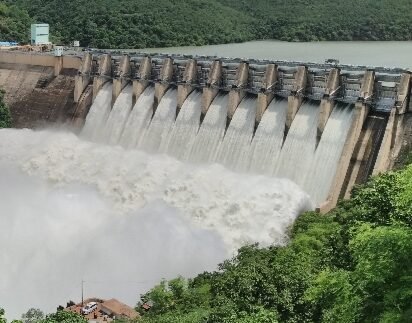
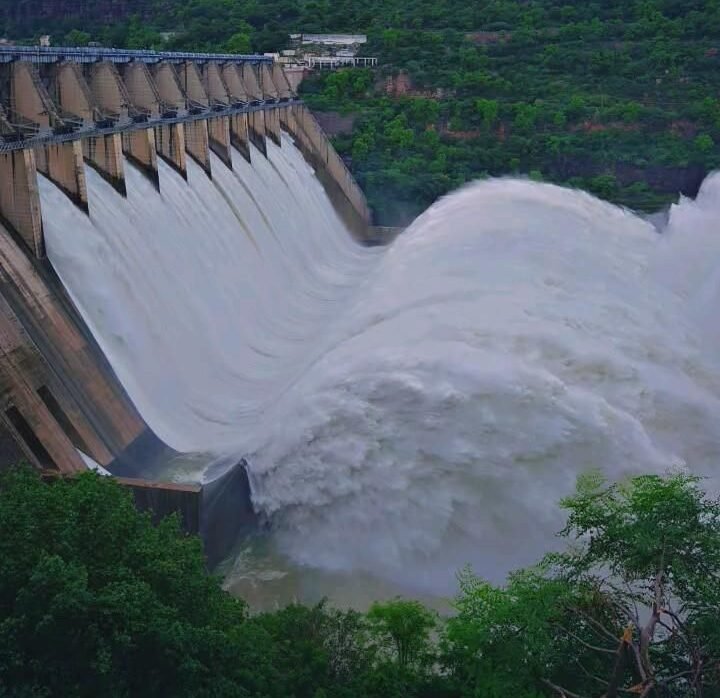
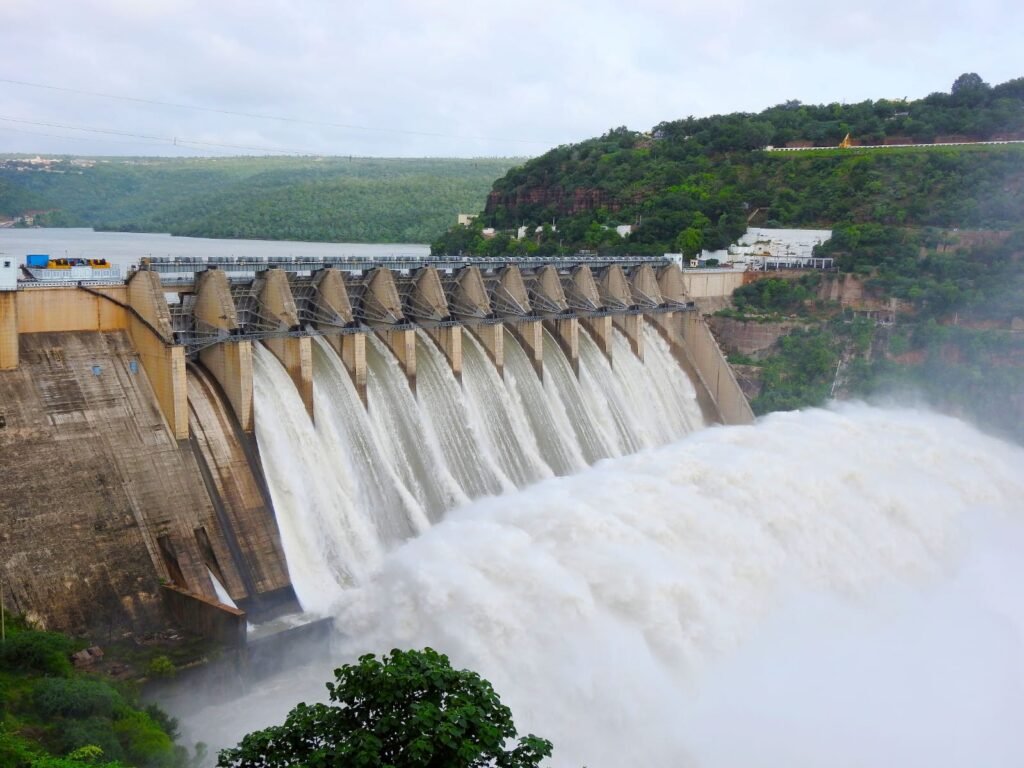
The Srisailam Dam Gates help regulate the flow of water in the Krishna River. The gates are operated according to reservoir levels, water inflows, and official water-release requirements. During periods of heavy inflow, water may be released through the gates under the direction of the relevant authorities.
Apart from managing water flow, the Srisailam Dam project is important for hydropower generation. Water stored in the reservoir supports electricity production through its powerhouses. The Srisailam Dam Gates and reservoir operations are important parts of managing water at this major river project.
The sight of water flowing through the dam gates can be impressive, but visitors should always follow official safety instructions and stay away from restricted areas.
Hydropower Generation at Srisailam Dam
One of the major purposes of Srisailam Dam is hydroelectric power generation. Water from the reservoir is used to operate turbines, which drive generators to produce electricity.
The project has powerhouses on both sides of the dam:
- Right Bank Powerhouse: 770 MW, with seven generating units of 110 MW each.
- Left Bank Powerhouse: 900 MW, with six generating units of 150 MW each.
Together, these powerhouses have an installed capacity of 1,670 MW. The electricity generated supports the power supply system, while hydropower provides an important source of renewable electricity.
Actual electricity generation depends on water availability, operating conditions, and electricity demand.
Srisailam Reservoir and Water Storage
The Srisailam Reservoir is formed by the dam across the Krishna River. It stores water that supports irrigation, water management, and hydroelectric power generation.
According to the Krishna River Management Board, the reservoir has a gross storage capacity of approximately 215.8 TMC at its full reservoir level. TMC means thousand million cubic feet, a unit commonly used to measure water storage in India.
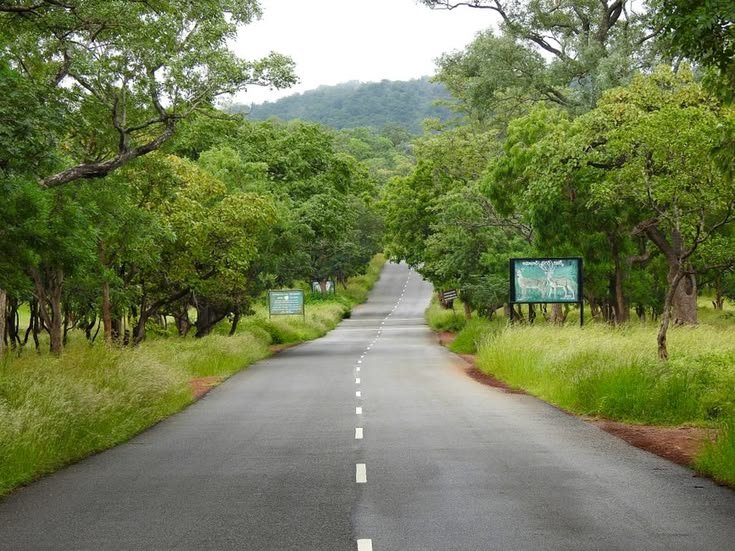
The srisailam dam gates is surrounded by hills and forest landscapes, creating beautiful views of the water and the natural environment. Water levels change according to rainfall, river inflows, releases, and operating requirements.
The reservoir is therefore important not only for electricity production but also for managing water resources in the region.
Best Time to See Srisailam Dam
The appearance of Srisailam Dam changes throughout the year depending on rainfall and reservoir levels. During the monsoon season, increased inflows may create dramatic views, and authorities may release water through the gates when required.
However, dam-gate releases are not guaranteed on particular dates. Visitors should check official announcements before planning a trip and follow all safety restrictions around the dam.
Conclusion
Srisailam dam gate hydropower generation, and the reservoir are three important parts of the Srisailam Project. The 12 radial gates help regulate water releases, the powerhouses generate electricity, and the reservoir stores water from the Krishna River.
Together, these facilities make Srisailam Dam an important engineering achievement and a significant landmark in Andhra Pradesh. Learning about its structure and functions helps visitors understand the project’s role in water management, electricity generation, and regional development.