 Renuka@123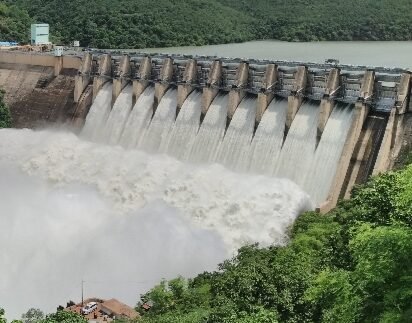
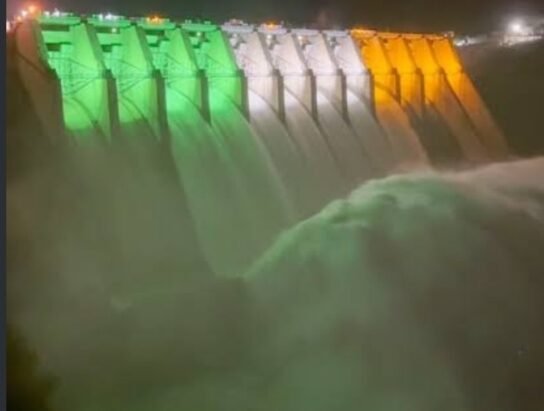
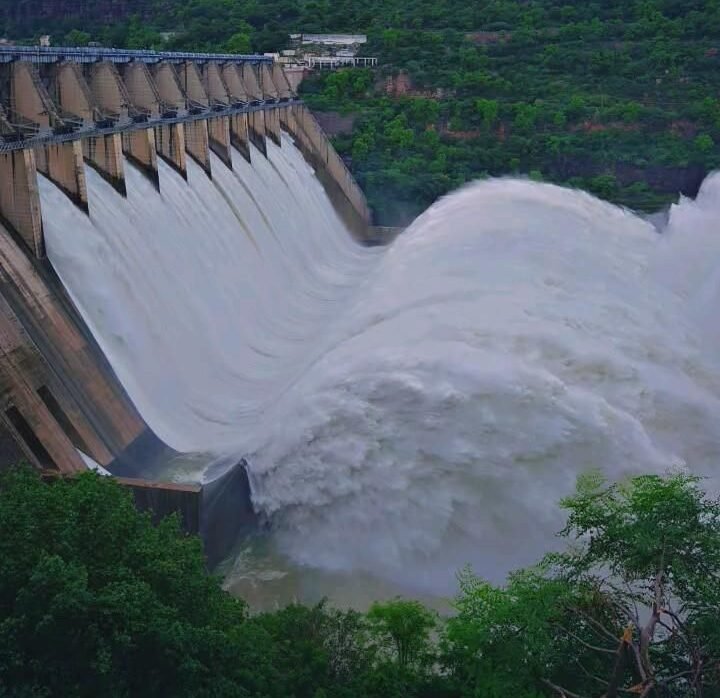
Srisailam project and Dam is one of the most beautiful and historically important destinations in South India. It is famous for the Srisailam Project and Dam, the sacred Mallikarjuna Swamy Temple, the Krishna River, the Nallamala Hills, forests, waterfalls, viewpoints, and many other tourist attractions. The Srisailam Dam is built across the Krishna River and is one of the major hydroelectric projects in the region.
The combination of Srisailam Dam history, engineering, spirituality, nature, and tourism makes this place special. Every year, pilgrims, tourists, families, students, photographers, and nature lovers visit Srisailam to experience its natural beauty and cultural importance.
If you are planning a trip to Srisailam or want to learn about the history of the Srisailam Project, this complete guide will help you understand the history, importance, dam features, hydroelectric power generation, temples, tourist places, and things to know before visiting Srisailam.
What Is the Srisailam Project and Dam History?
The Srisailam Project and Dam is a major water and hydroelectric project constructed across the Krishna River in the Nallamala Hills. The project includes the Srisailam Dam, a large reservoir, spillway gates, and hydroelectric powerhouses.
The project plays an important role in water storage and hydroelectric power generation. Because of its location in the Nallamala Hills, the Srisailam reservoir is surrounded by beautiful mountains and forest areas.
The Srisailam Project is not only important from an engineering point of view but is also closely connected with tourism. The huge dam, reservoir, Krishna River, hills, and nearby temples attract thousands of visitors.
Where Is Srisailam project Dam Located?
The Srisailam Dam is located across the Krishna River near Srisailam in Andhra Pradesh. The project is situated in the Nallamala Hills and is close to the Andhra Pradesh–Telangana region.
The location of Srisailam makes it particularly attractive for tourists because the journey itself offers beautiful views of forests, hills, valleys, and the Krishna River.
Srisailam town is currently located in Nandyal district of Andhra Pradesh. The surrounding Nallamala forest landscape gives the area a peaceful and scenic atmosphere.
History of Srisailam project and dam
The history of the Srisailam Project and dam is closely connected with the development of water resources and hydroelectric power in the region. Historical records of the Central Water Commission identify 1965 as the year construction work began on the Srisailam Hydroelectric Project.
The construction of such a large project in the Nallamala Hills was a major engineering undertaking. The project required the construction of a large dam, reservoir, spillway system, powerhouses, and other supporting infrastructure.
Over the years, the Srisailam Project became an important part of the Krishna River water and power system. The project continues to have importance for water management and electricity generation.
Today, the Srisailam Dam is not only an important engineering structure but also one of the most recognizable landmarks of Srisailam.
Construction of Srisailam Projectand Dam
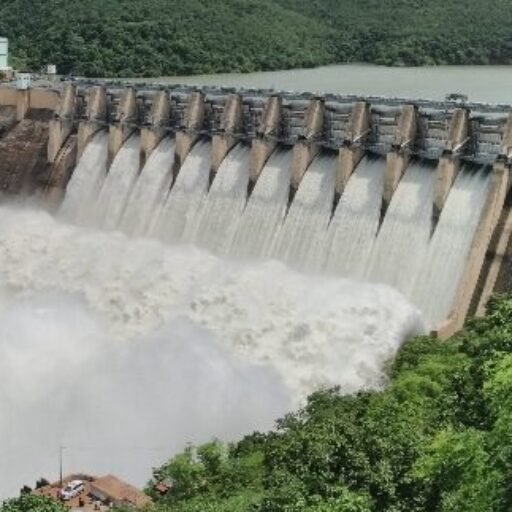
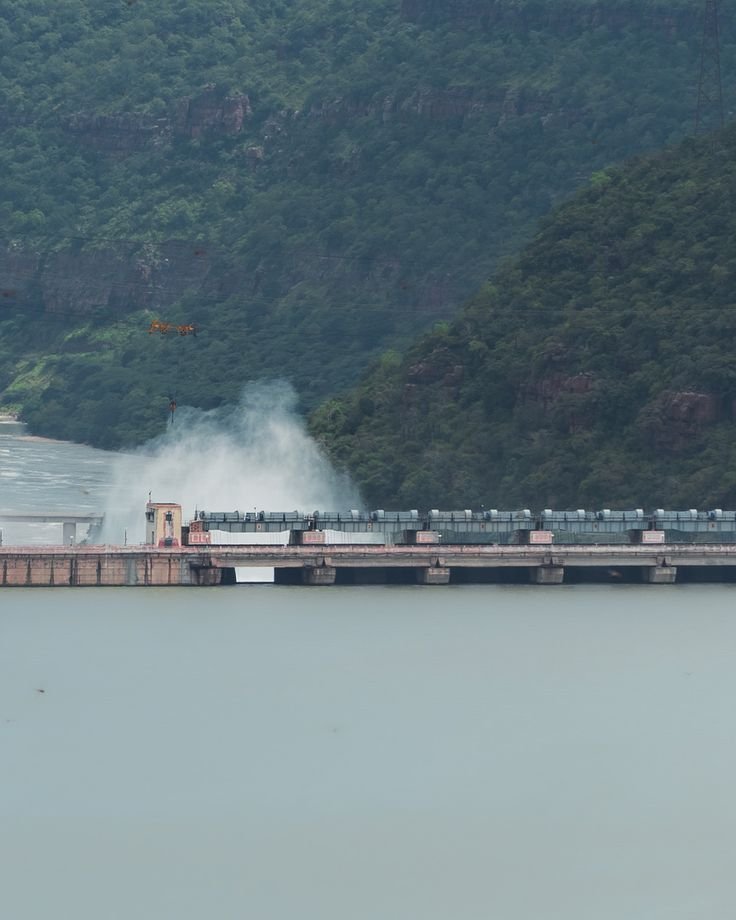
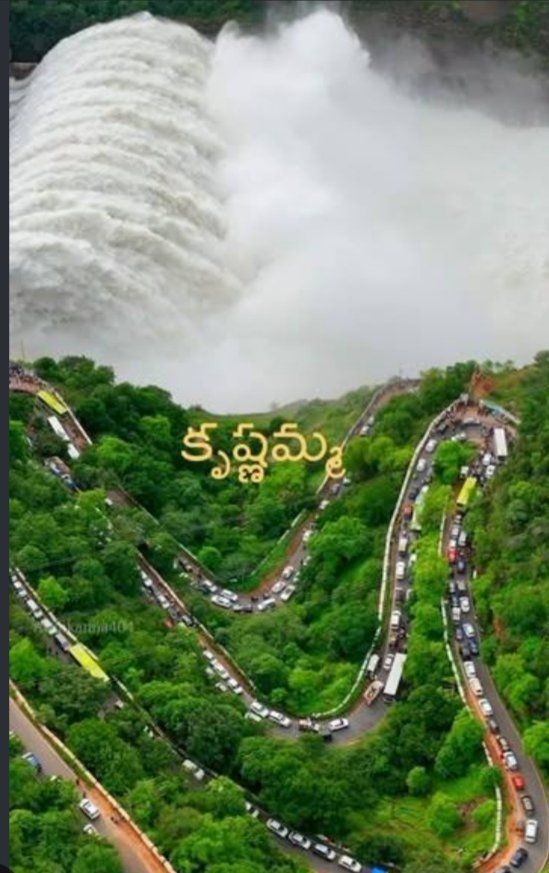
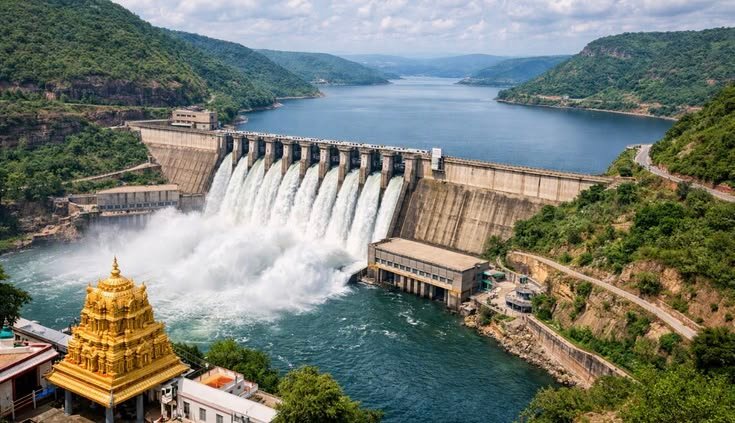
The srisailam project and dam was constructed as a gravity dam across the Krishna River. Its massive structure is designed to withstand the pressure created by the large quantity of water stored in the reservoir.
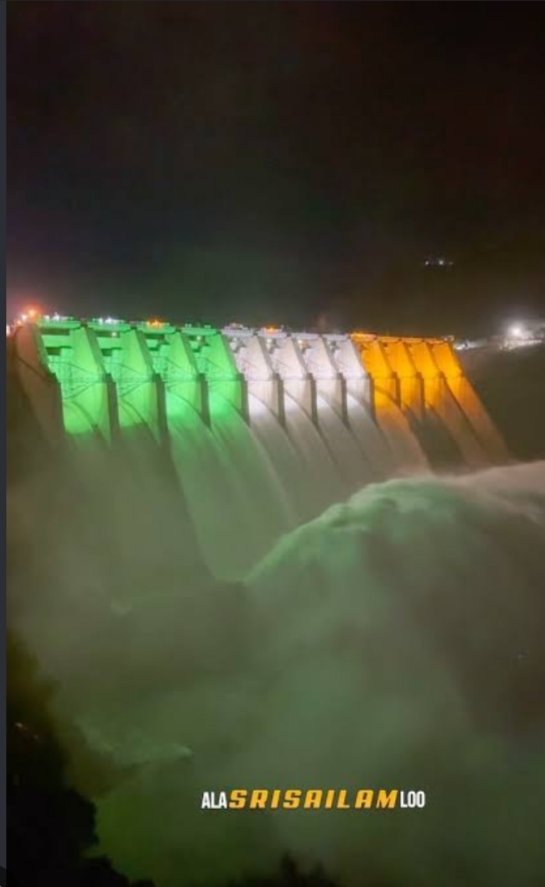
The dam has a length of approximately 512 metres and a maximum height of around 145 metres. It has 12 radial spillway gates that are used to regulate and release water when required.
The huge structure of the dam is particularly impressive when viewed from a distance. The surrounding hills and reservoir make the location one of the most attractive engineering and natural landscapes in South India.
Srisailam Reservoir
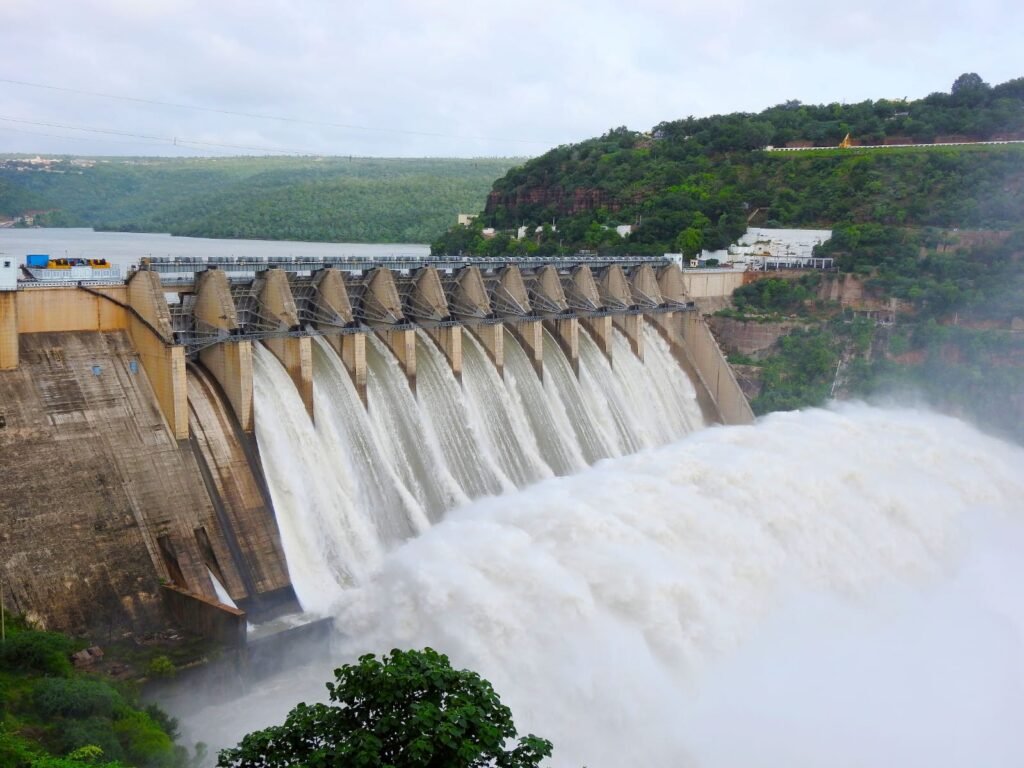
One of the most important features of the Srisailam Project and Dam is its large reservoir. The reservoir stores water from the Krishna River and forms a beautiful water body surrounded by the Nallamala Hills.
The appearance of the reservoir can change depending on the season and water levels. During periods when the reservoir contains plenty of water, visitors can enjoy spectacular views of the water, hills, and surrounding forest landscape.
The Srisailam reservoir is therefore important not only for water management but also for tourism and photography.
Visitors should always follow local safety instructions and avoid entering restricted areas around the dam and reservoir.
Hydroelectric Power Generation at Srisailam
One of the main purposes of the Srisailam Project is hydroelectric power generation.
Hydroelectric power is produced by using the energy of flowing or falling water. Water from the reservoir is used through turbines, and the turbines drive generators to produce electricity.
The Srisailam Project and dam has powerhouses associated with both the left and right banks. The project therefore represents a large-scale combination of water resources and electricity generation.
For students interested in engineering, geography, environmental studies, or renewable energy, Srisailam provides an excellent real-world example of how water can be used to generate electricity.
Why Is the Srisailam Project Important?
The Srisailam Project is important for several reasons. It is a major water-resource project, a hydroelectric power project, an engineering landmark, and an important tourism destination.
The project helps demonstrate how a river can be connected with large-scale water storage and power-generation infrastructure.
The importance of Srisailam can be understood through the following areas:
- Water storage
- Hydroelectric power generation
- Krishna River water management
- Engineering and infrastructure
- Tourism development
- Religious and cultural importance
- Natural and forest tourism
Because all these aspects come together in one location, Srisailam has become one of the most significant destinations in the region.
Importance of Srisailam Dam for Water Resources
Water is one of the most valuable natural resources, and large reservoirs can play an important role in managing river water.
The Srisailam reservoir stores water from the Krishna River and forms part of the wider Krishna River water-resource system.
The large reservoir and associated infrastructure make Srisailam project important from a water-management perspective. It is also an excellent example for students who want to understand dams, reservoirs, rivers, irrigation systems, and water-resource management.
Srisailam Dam and Electricity Generation
The Srisailam Project has a major role in hydroelectric power generation. The project uses water resources to generate electricity through turbines and generators.
Hydroelectricity is an important form of renewable energy because it uses the natural movement of water rather than burning fuel to generate electricity.
The powerhouses associated with Srisailam demonstrate the scale of modern hydroelectric engineering. The project therefore has significance not only for the local region but also as an example of large-scale infrastructure development.
Srisailam and the Krishna River

The Krishna River is an important river in South India and is central to the identity of Srisailam.
The river passes through the Nallamala landscape, creating deep valleys, rocky surroundings, and beautiful natural scenery. The construction of the Srisailam Dam created a large reservoir that further transformed the landscape.
The combination of the Krishna River, Srisailam Dam, reservoir, and Nallamala Hills creates a unique environment that attracts both tourists and photographers.
Srisailam Tourism
Srisailam is one of the popular tourism and pilgrimage destinations in Andhra Pradesh.
A visit to Srisailam project is not limited to seeing the dam. Tourists can explore temples, viewpoints, the Krishna River, Patalaganga, the surrounding forests, and other attractions.
The area is suitable for different types of visitors, including:
- Pilgrims
- Families
- Students
- Nature lovers
- Photographers
- History enthusiasts
- Adventure and travel enthusiasts
The combination of religious tourism, nature tourism, historical attractions, and engineering tourism makes Srisailam a unique destination.
Mallikarjuna Swamy Temple
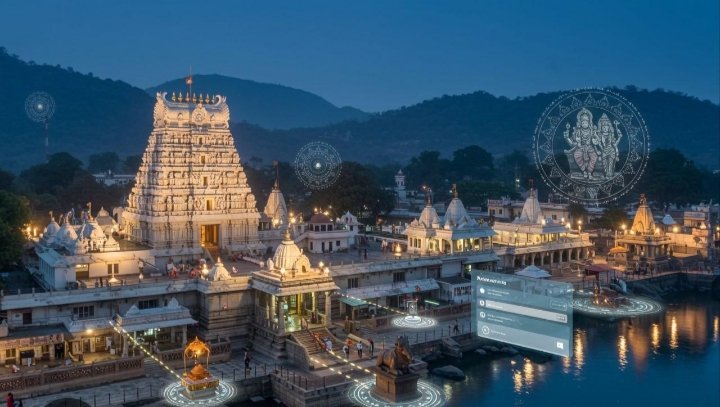
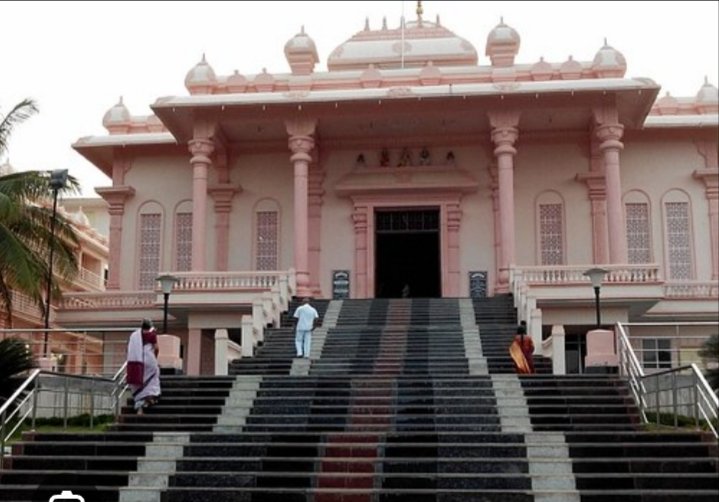
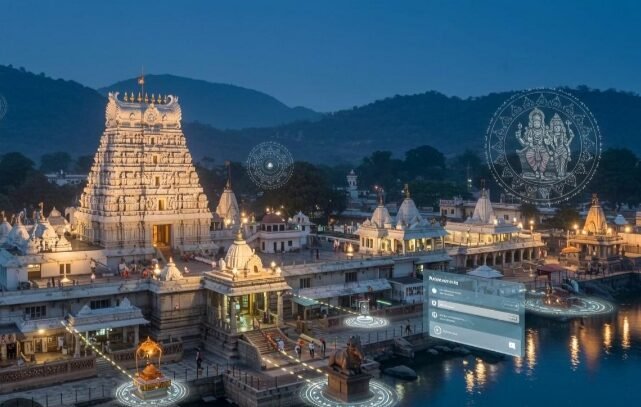
One of the most important attractions in Srisailam is the Sri Mallikarjuna Swamy Temple.
The temple is dedicated to Lord Shiva and is recognized as one of the 12 Jyotirlingas. It is one of the most important pilgrimage centres in India.
The temple attracts devotees from different parts of the country throughout the year.
The spiritual atmosphere surrounding the temple, combined with the natural beauty of the Nallamala Hills, makes a visit to Srisailam memorable.
Bhramaramba Devi Temple
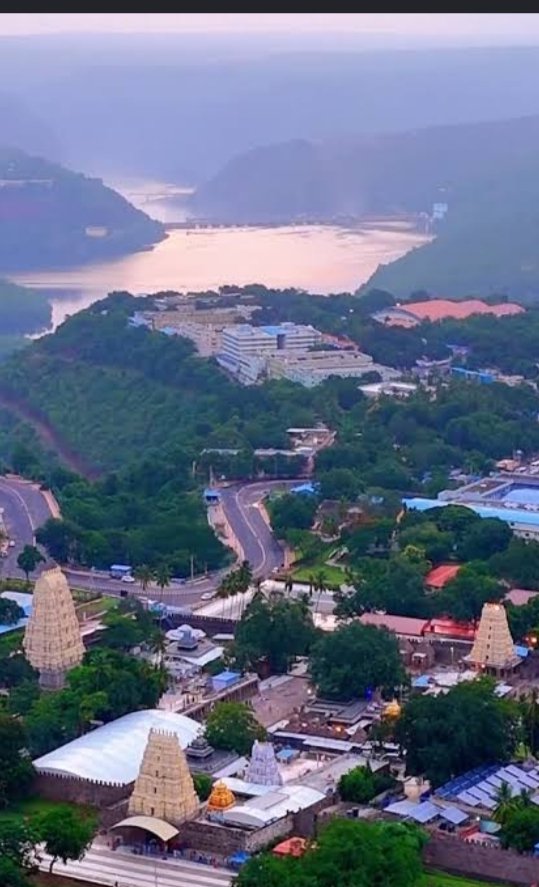
Another major attraction is the Bhramaramba Devi Temple, which is associated with Goddess Bhramaramba.
The Mallikarjuna Swamy Temple and Bhramaramba Devi Temple together form the spiritual heart of Srisailam.
Visitors can experience the religious and cultural heritage of the region while also exploring the surrounding natural attractions.
For anyone interested in Indian temples, mythology, culture, and architecture, Srisailam offers a fascinating travel experience.
Patalaganga in Srisailam
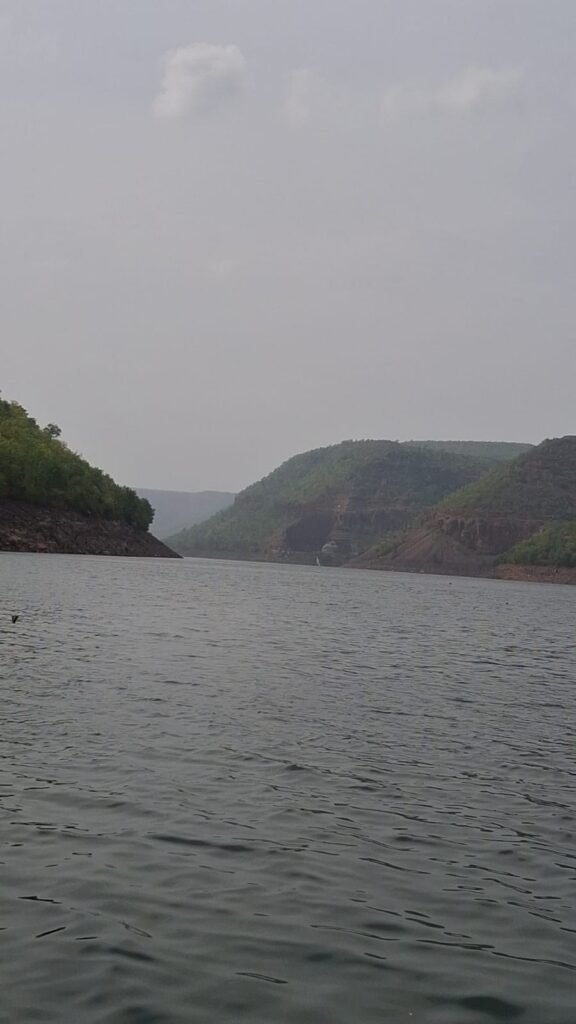
Patalaganga is one of the well-known tourist attractions in Srisailam.
It is associated with the Krishna River and is a popular place for pilgrims and tourists. The surrounding hills and river landscape create beautiful scenery.
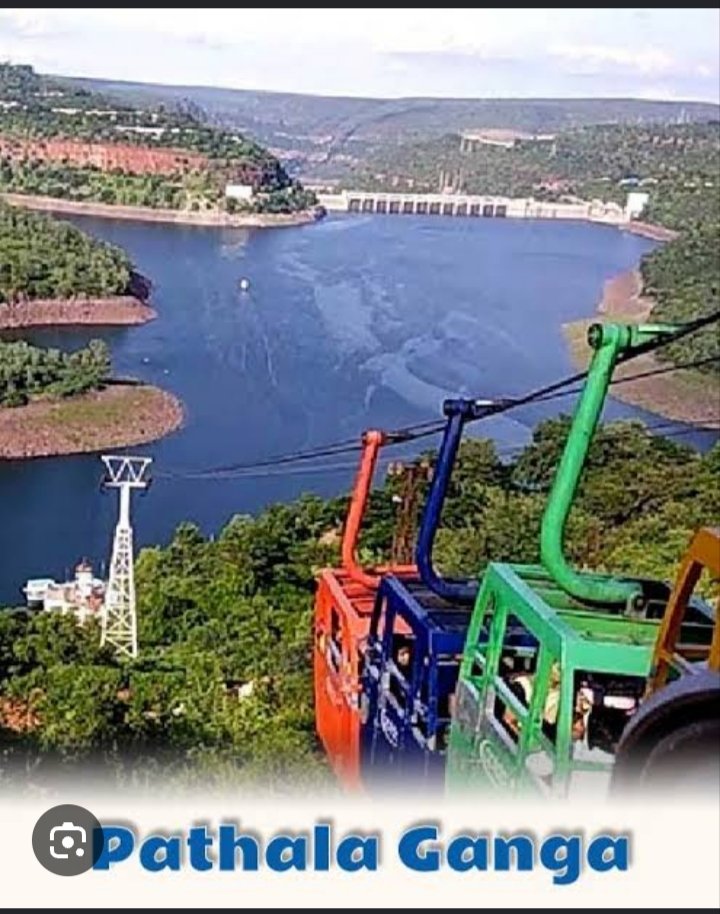
The ropeway is another attraction associated with the Patalaganga area. It provides visitors with an opportunity to experience the surrounding landscape from a different viewpoint.
If you are creating a Srisailam tourism blog, photographs of Patalaganga and the surrounding hills can make your article more attractive and informative.
Srisailam Ropeway
The Srisailam ropeway is a popular attraction for visitors who want to enjoy views of the surrounding landscape.
The ropeway provides a different perspective of the hills and river area and can be an enjoyable experience for families and tourists.
Before visiting, it is always better to check current operating times, ticket information, and local conditions because tourism services can change.
Nallamala Hills and Forest
The Nallamala Hills are one of the most beautiful natural features surrounding Srisailam project and dam.
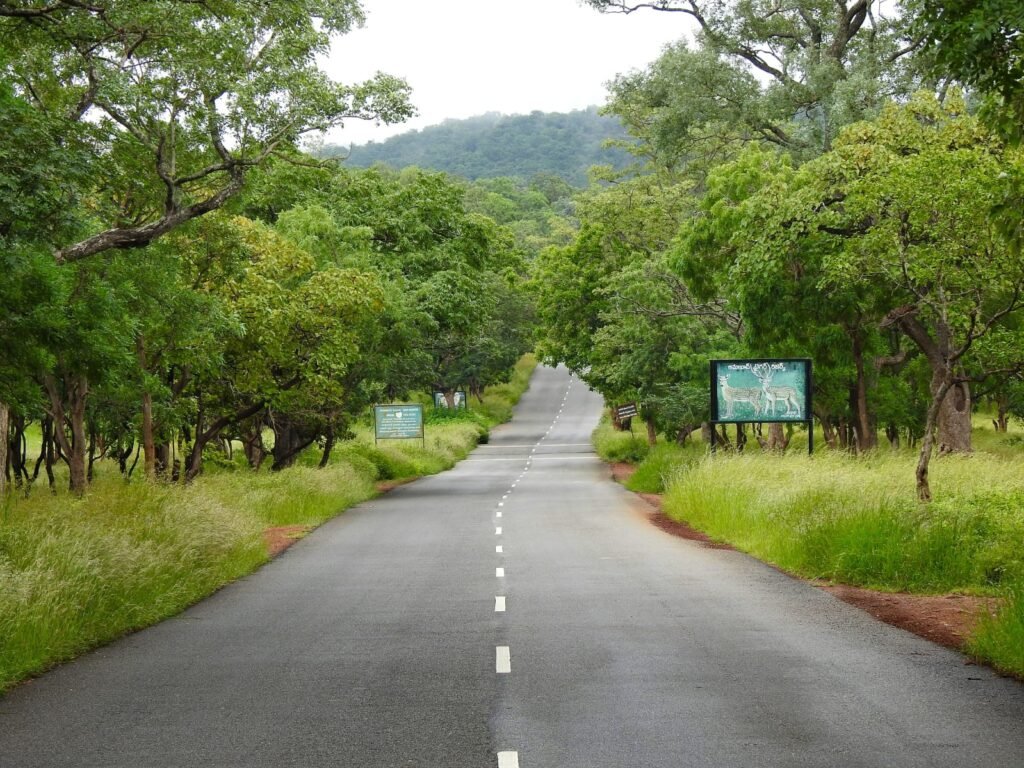
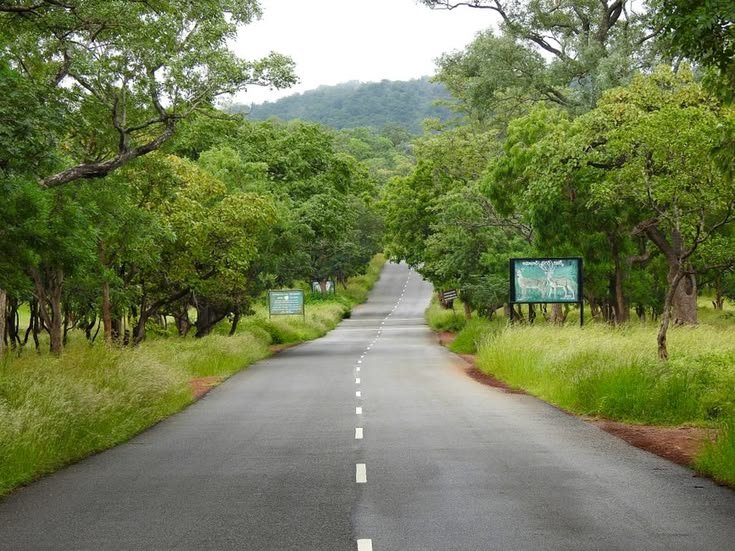
The forest landscape provides a peaceful environment and makes the road journey to Srisailam particularly scenic.
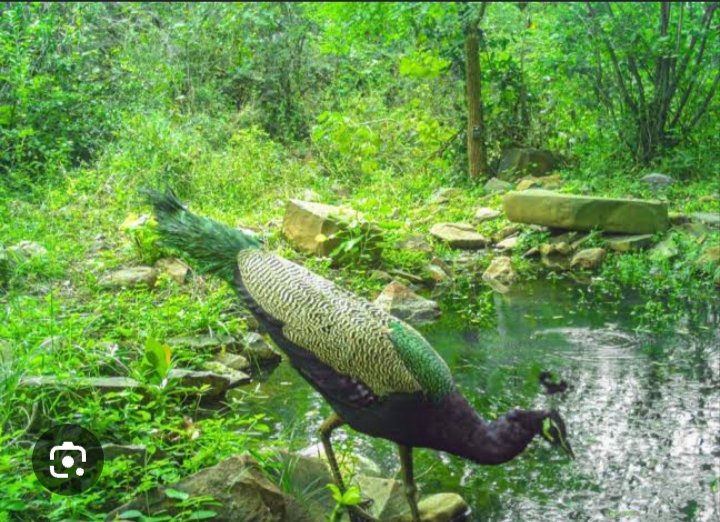
The wider Srisailam region is also associated with wildlife and forest tourism. Visitors should respect the natural environment by avoiding littering, disturbing animals, feeding wildlife, or entering restricted forest areas.
Protecting the forests is important because the natural beauty of Srisailam is one of the main reasons tourists visit the region.
Best Tourist Places to Visit in Srisailam
Srisailam project and dam offers many attractions for visitors. Depending on the time available, tourists can plan a one-day, two-day, or longer trip.
Some popular places and attractions include:
- Srisailam Dam
- Srisailam Reservoir
- Mallikarjuna Swamy Temple
- Bhramaramba Devi Temple
- Patalaganga
- Srisailam Ropeway
- Shikharam
- Paladhara Panchadhara
- Nallamala Forest
- Srisailam Wildlife region
Each attraction offers a different experience, from spirituality and history to nature and scenic photography.
Best Time to Visit Srisailam
The best time to visit Srisailam depends on what type of experience you want.
Many travellers prefer periods with pleasant weather for sightseeing because they can comfortably explore the temples, dam, river areas, viewpoints, and surrounding attractions.
The appearance of the Srisailam Dam and reservoir can also change according to rainfall and water levels. Therefore, tourists who specifically want to see the reservoir and surrounding landscape should consider seasonal conditions.
Before travelling, check the latest information about weather, temple timings, road conditions, accommodation, and attraction timings.
How to Reach Srisailam
Srisailam is well connected by road with major cities in the surrounding region.
Visitors can travel to Srisailam by road from places such as Hyderabad, Kurnool, Markapur, and other nearby cities.
For visitors travelling by train, nearby railway connectivity can be considered before completing the journey by road.
A road trip to Srisailam project and dam can itself be an enjoyable experience because the route passes through beautiful landscapes and forest areas.
Before starting your journey, check the latest road conditions and travel information.
Srisailam for Family Tourism
Srisailam can be a good destination for a family trip because it offers different types of attractions in one location.
Parents can take children to see the dam and reservoir, visit temples, enjoy the scenic hills, experience the ropeway, and explore the surrounding attractions.
For children, the Srisailam Project can also become an educational experience. Instead of learning about dams only from textbooks, they can see a large dam, reservoir, river, and surrounding hills in person.
A family trip to Srisailam can therefore combine education, spirituality, nature, photography, and sightseeing.
Srisailam for Students and Educational Trips
Srisailam is also an interesting destination for educational visits.
Students studying civil engineering, electrical engineering, geography, environmental science, history, tourism, and water resources can learn from different aspects of the destination.
The dam provides an opportunity to understand engineering concepts, while the reservoir and Krishna River help students understand water resources.
The Nallamala forests provide an opportunity to learn about biodiversity and the environment, while the temples provide insight into India’s religious and cultural heritage.
Photography and Scenic Views in Srisailam

Srisailam project and dam is a beautiful location for photography.
The dam, reservoir, Krishna River, Nallamala Hills, forests, temples, roads, and viewpoints provide many opportunities for travel photography.
Early morning and evening can provide beautiful natural light for photographs. However, photographers should always follow safety instructions and avoid restricted areas around the dam.
If you are writing a travel blog about Srisailam, adding your own high-quality photographs can make the article more engaging for readers.
Things to Remember Before Visiting Srisailam
Before travelling to Srisailam, visitors should plan their trip carefully.
Some useful things to remember are:
- Check the weather before travelling.
- Check temple timings and special-day arrangements.
- Check accommodation availability during festivals and holidays.
- Follow safety instructions near the dam and reservoir.
- Do not enter restricted areas.
- Keep the forest and tourist areas clean.
- Avoid disturbing wildlife.
- Carry drinking water and essential travel items.
- Check road conditions before starting a long journey.
Good planning can make your Srisailam trip safer and more comfortable.
Why Srisailam Is a Unique Tourist Destination
What makes Srisailam special is the way different experiences come together.
In one trip, you can see a massive hydroelectric project, visit an ancient temple, stand near the Krishna River, enjoy the Nallamala Hills, experience Patalaganga, and explore the surrounding natural environment.
Few destinations offer such a combination of engineering, history, spirituality, nature, and tourism.
That is why Srisailam continues to attract visitors from different parts of Andhra Pradesh, Telangana, and other states of India.
Conclusion
The Srisailam Project and Dam are important examples of engineering, water-resource management, and hydroelectric power generation. Built across the Krishna River in the Nallamala Hills, the project has a fascinating history dating back to the beginning of construction in 1965.
But Srisailam is much more than a dam. The Mallikarjuna Swamy Temple, Bhramaramba Devi Temple, Patalaganga, ropeway, Krishna River, Nallamala Hills, forests, reservoir, and scenic viewpoints make it one of the most interesting destinations in South India.
Whether you are a pilgrim, tourist, student, photographer, nature lover, or history enthusiast, Srisailam offers something memorable.
A visit to Srisailam gives you the opportunity to experience the meeting point of history, engineering, spirituality, water, forests, and natural beauty. That unique combination makes the Srisailam Project and Dam an important part of the history and tourism of Andhra Pradesh.
Frequently Asked Questions About Srisailam
1. Where is Srisailam Dam located?
Srisailam Dam is located across the Krishna River in the Nallamala Hills near Srisailam project and dam in Andhra Pradesh.
2. When did construction of Srisailam Dam begin?
Historical records indicate that construction of the Srisailam Hydroelectric Project began in 1965.
3. Why is Srisailam Dam important?
Srisailam Dam is important for water storage, hydroelectric power generation, river management, engineering, and tourism.
4. What are the famous tourist places in Srisailam?
Popular attractions include Srisailam project Dam, Srisailam Reservoir, Mallikarjuna Swamy Temple, Bhramaramba Devi Temple, Patalaganga, the ropeway, Shikharam, Paladhara Panchadhara, and the Nallamala Hills.
5. Is Srisailam good for a family trip?
Yes. Srisailam offers temples, scenic locations, the dam, reservoir, ropeway, river views, forests, and other attractions, making it suitable for a family sightseeing trip.


MOST VALUBLE INFORMATION